Symbolism was originally a literary movement and was created In response to realism and naturalism. It focused on using imagination instead of observation, with artists and writers now using their dreams, visions and mythology to create art and other forms of media. Symbolism was most prevalent in European countries such as France and Belgium, it was often associated with French poets such as Stephane Mallarme and Arthur Rimbaud who rejected the idea of realism in poetry and instead believed that the purpose of art was to access greater truths through the “Systematic derangement of the senses” (Rimbaud, ?). Artists then would begin to use metaphorical imagery to explore once taboo themes such as sex, death and fantasy using their dreams and imagination to illustrate these ideas. Some artists even turned to drugs and alcohol in order to induce more vivid and intense dreams and hallucinations to gain inspiration from.
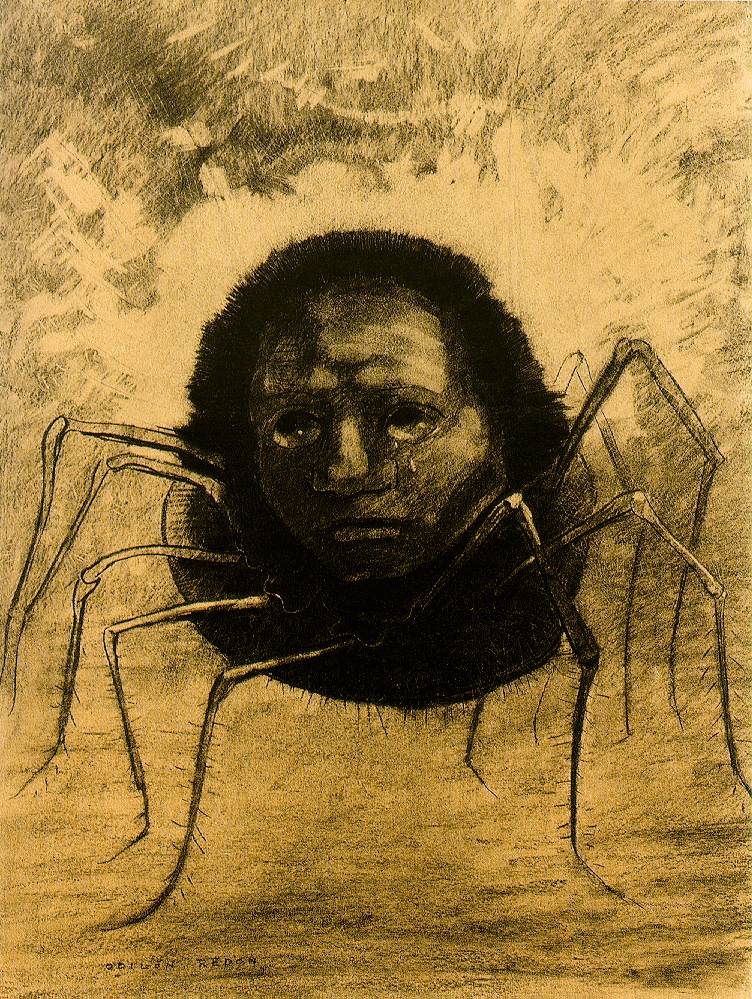
Jean Moreas (1856-1910) was a greek born poet who published an iconic report on symbolism named ‘Le Symbolisme’ or ‘The Symbolist Manifesto’ (Moreas, 1886) Le Symbolisme was an essay published in a French Newspaper titled: ‘La Figaro’ and in his article he discussed and argued for the new literary movement. Moreas argues that the purpose of art and writing is to create new meanings through the use of analogy and that art should not only be made up of plain meanings but instead should use naturalistic and physical imagery to reference “primordial ideas” and allegories. His concluding argument states that symbolism deals with the meanings and issues associated with human life. He suggests that symbolism has always been woven into literature arguing that William Shakespeare’s works were packed with symbols.
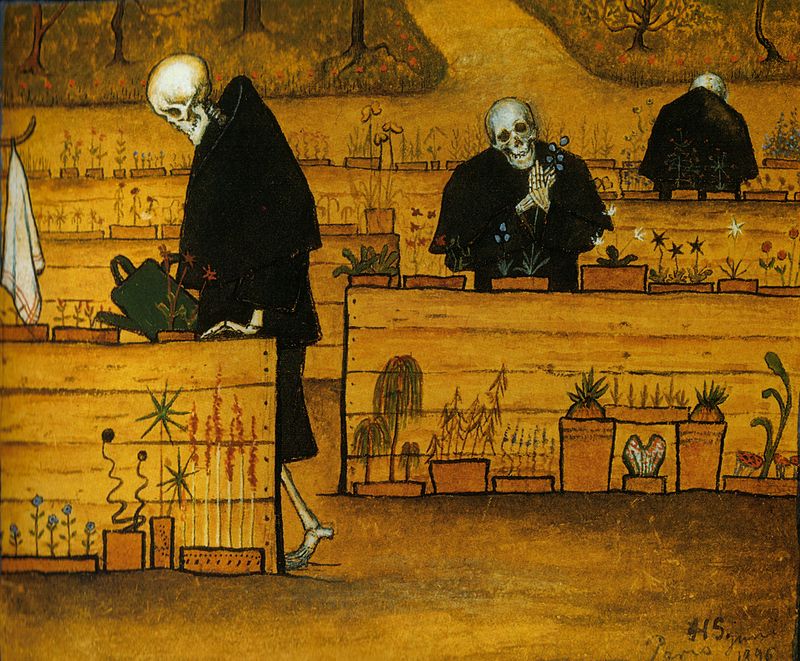
Art of the time contained various recurring themes and in this part of the research we will examine these recurring images, why they were so important at the time and how they have affected art and design today. Most of the themes explored in symbolism focused on areas seen as taboo in Victorian society, for example: sex, death and the grotesque. For example skulls and skeletons were a recurring feature in multiple works of art at the time, symbolising death and decay. This is perhaps because grave diseases were so widespread in Victorian society and subsequently death was a frequent and terrifying aspect of human life: a sense of fragility in all of humankind. We still see this influence in modern art and design with many artists choosing to use skulls and skeletons to portray the image of death, and one could also suggest that within tattoo design these symbols that were common in the symbolic movement are equally recognised and utilised today in design.
REFERENCES:
Artincontext (2022) Symbolism Art – Learning About the History and Artworks of this Movement. Available online: https://artincontext.org/symbolism-art/ [Accessed 23/12/22]
Liszt, C. (2017) Moreas Symbolist Manifesto (Translated). Available online: https://enjoymutable.com/home/thesymbolistmanifesto [Accessed: 23/12/2022]
Simberg, H. (1896) Garden of Death [Watercolour] Ateneum, Helsinki.
Moreas, J. (1886) The Symbolist Manifesto (Le Symbolisme) Le Figaro, 18 September, 86
Redon, O. (1881) Crying Spider [Charcoal] Private Collection, Netherlands
Poetry Foundation (?) Symbolist Movement. Available online: https://www.poetryfoundation.org/learn/glossary-terms/symbolist-movement [Accessed/23/12/22]