In this article we will discuss the place that symbolism has in tattooing. Recently, tattoos have risen in popularity thus creating different recurring imagery and symbols in tattoo design. Tattoos have always been used as a form of identity and individuality therefore making each tattoo design unique and individual to the person getting it. “Tattoos are part of an ancient and universal tradition of human self-decoration and expression … they convey their messages without words and sometimes even long after death.” (Jablonski, N. 2006)
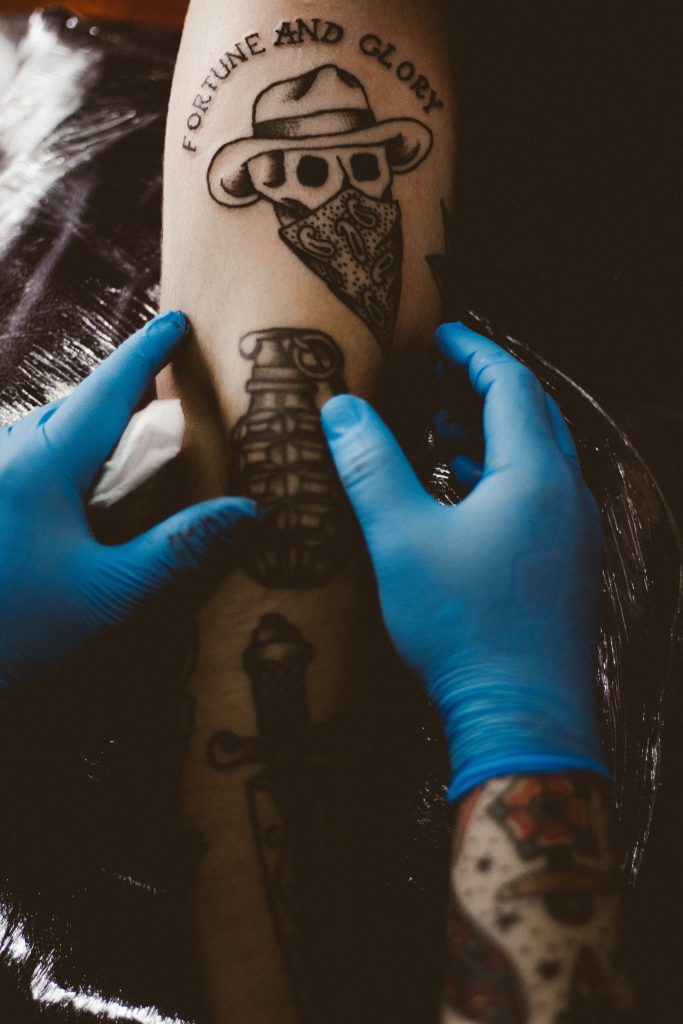
In tattooing, symbolism is very important. Not many people would have the desire to be tattooed if they did not believe their tattoo would represent something important to them. And as tattoos have risen in popularity, new tattoo art styles have developed and as a result a larger audience has grown the desire to express themselves through tattoos. “Tattoos are finally being recognised as a form of self-expression, and design styles have expanded…” (Michalak. 2022) Some of the recurring imagery and themes in modern tattoo art does align with the symbolist movement such as: symbols of bravery, heroes and fantasy or even tattoos that have shock value such as sexual imagery or death. Some recurring imagery we see in modern day tattooing is: lions for bravery and leadership, black arm bands symbolise the loss of a loved one and the head of Medusa that symbolises strength and recovery for abuse victims. Victorian societies obsession with the macabre and gothic has also fuelled the tattoo industry with some of the most popular tattoo imagery being skulls and the grim reaper. In this way tattooing can be a statement of who you are, a way of telling people what you believe in or feel without having to have a conversation.
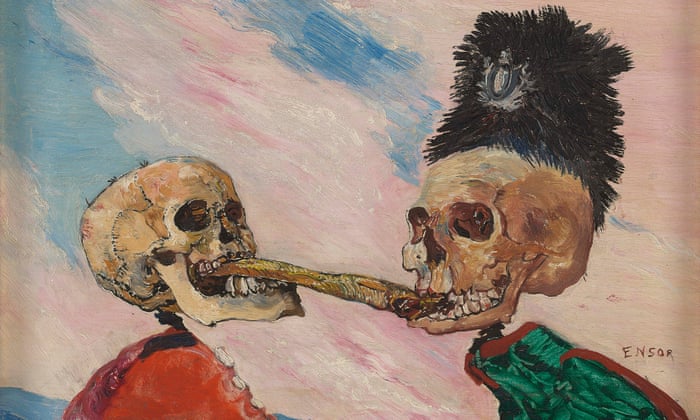
Symbolism bought a change to the art world, it allowed artists and painters to look inwards and paint the imaginative and fantastical. One could argue that without the push for imagination and metaphor being incorporated into art, tattoo art and design would not be as popular as it is now as we would not attach as much meaning onto imagery and therefore not feel the desire to have art permanently on our bodies. The impact of symbolism in todays art and design industry is truly immense, now not only do we view art as aesthetically pleasing, we also attach contextual and personal meaning on to certain imagery which allows us to enjoy art on a deeper level. It is also undeniable that both the symbolist movement and the practises of tattooing have been considered taboo at some point in time. Both focus on imagination and the exploration of dark thoughts and emotions which was shunned In other movements and times in history. Both require self-examination and thought in order to create to invoke emotion, shock or amaze the audience.
REFERENCES:
Vinicius, A. (2016) Tattooing image. Available online: https://unsplash.com/photos/M47HaQ1D__c [Accessed 01/01/2023]
Ensor, J. (1891) Skeletons fighting over a pickled herring [Oil on panel]. Royal museums of Fine Art of Belgium, Brussels
Michalak, J. (2022) Why Has the Popularity of Tattoos Grown? Available online: https://www.byrdie.com/why-are-tattoos-popular-3189518 [Accessed: 17/10/2022]
Jablonski, N. (2006) Skin: A Natural History. University of California Press.