This blog post will investigate the history of tattoo design itself, the recurring imagery in tattoo art and where symbolism fits in to tattoo design. We will observe ‘old school tattoos’ and how they link to the military, Japan and its controversial attitudes towards tattooing, and the tattoo boom of the 20th century.
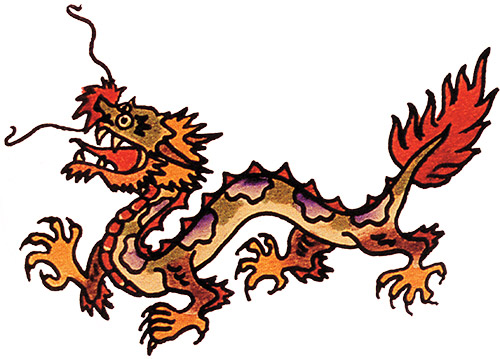
Tattoo art dates back to around 3000 B.C and therefore the symbolism and purpose of tattoos has a rich history. In 1991 a 5000 year old ancient mummy was discovered to have 59 tattoos. Mostly religious in nature, these tattoos represented the societal beliefs of the time and the personal spirituality of the individual. A lot of the traditional ‘old school’ tattoo designs that we see today were popularised by sailors and military men. ‘Sailor Jerry’ is by far one of the most influential tattoo artists of all time. He was an ex navy man and popular tattoo artist based in Honolulu around World War 2 specialising in designing and tattooing ‘traditional’ tattoos. This of course affected and continues to affect today, the symbolism and recurring imagery in tattoo design.
Stereotypically, tattoos were a symbol of rebellion and status and still continue to be in some cultures: “When they first started appearing on people in American culture in the 1930’s they symbolised a rejection of the American dream and represented a life lived outside the confines of mainstream society. As for today, they still mean the same thing.” (Funhouse, 2017) This desire for social status has affected the themes and the symbols used in tattoo design. Similarly to the symbolism movement, themes of the taboo seemed to be at the forefront of many of the original old school tattoo designs often designed for shock value. However as society has changed tattoos have diversified with more styles being developed and thus creating an increase in the desire to be tattooed.
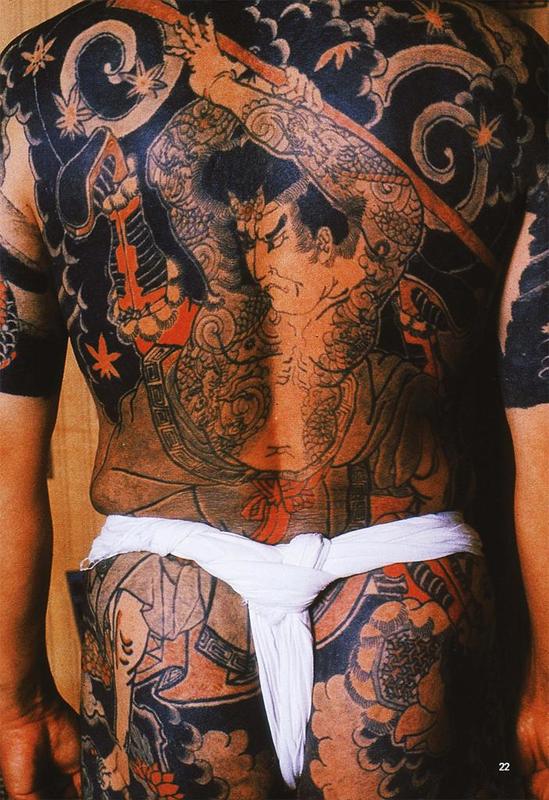
In some cultures, tattoos were used to identify individuals. For example, in Japan tattoos have a large and taboo culture. ‘Irezumi’ is the word for any type of tattoo art that has a Japanese style or originated in Japan. Japan’s tattooing culture goes right back into ancient practises of tattoo art, in the 5th century the Japanese sailors would tattoo themselves with symbols they believed would act as protection against sea monsters on their journeys. However, In the 19th century tattoos became a form of punishment: a tattoo would be painfully branded onto criminals to identify them and their crimes, creating an immense shame around having tattoos. Despite this tattoos became popular and subsequently were made illegal in the 1860’s. After the tattooing ban the ‘Yakuza’ (the Japanese mob) attempted to keep the art of tattooing alive and when the United States began to occupy Japan, the tattoo ban was lifted although this also did not help tattoo arts reputation. Because of its associations with the Yakuza, the Americans and criminals: tattooing has never become as traditionally accepted in Japan as it has in other cultures. This significantly affected the styles and symbols used in tattooing in Japanese cultures. Similarly to the symbolism movement, many Japanese tattoos focus on great mythological tales of heroes and are inspired by Japanese woodblock prints.
REFERENCES:
Ashcroft, B. & Benny, H. (2016) Japanese Tattoos. History, Culture, Design. Tuttle Publishing.
Funhouse, A. (2017) A Brief Look into the History of Traditional Tattoos and How They Mark a Crucial Point in America’s History. Available online: https://funhouseguesthouse.com/a-brief-look-into-the-history-of-traditional-tattoos-and-how-they-mark-a-crucial-point-in-americas-history/ [Accessed 17/10/2022]
Stevenson, A. (2008) Probing Question: What is the History of Tattooing? Available online: https://www.psu.edu/news/research/story/probing-question-what-history-tattooing/ [Accessed 17/10/2022]
Jerry, S. (?) TRADITIONAL TATTOO MEANINGS. Available online: https://sailorjerry.com/en-gb/tattoos/ [Accessed 17/10/2022]
Japanese Visual Culture (?) Introduction. Available online: https://japanesevisualculture.ace.fordham.edu/exhibits/show/irezumi_tradition_and_criminal/irezumi_introduction [Accessed 20/12/22]